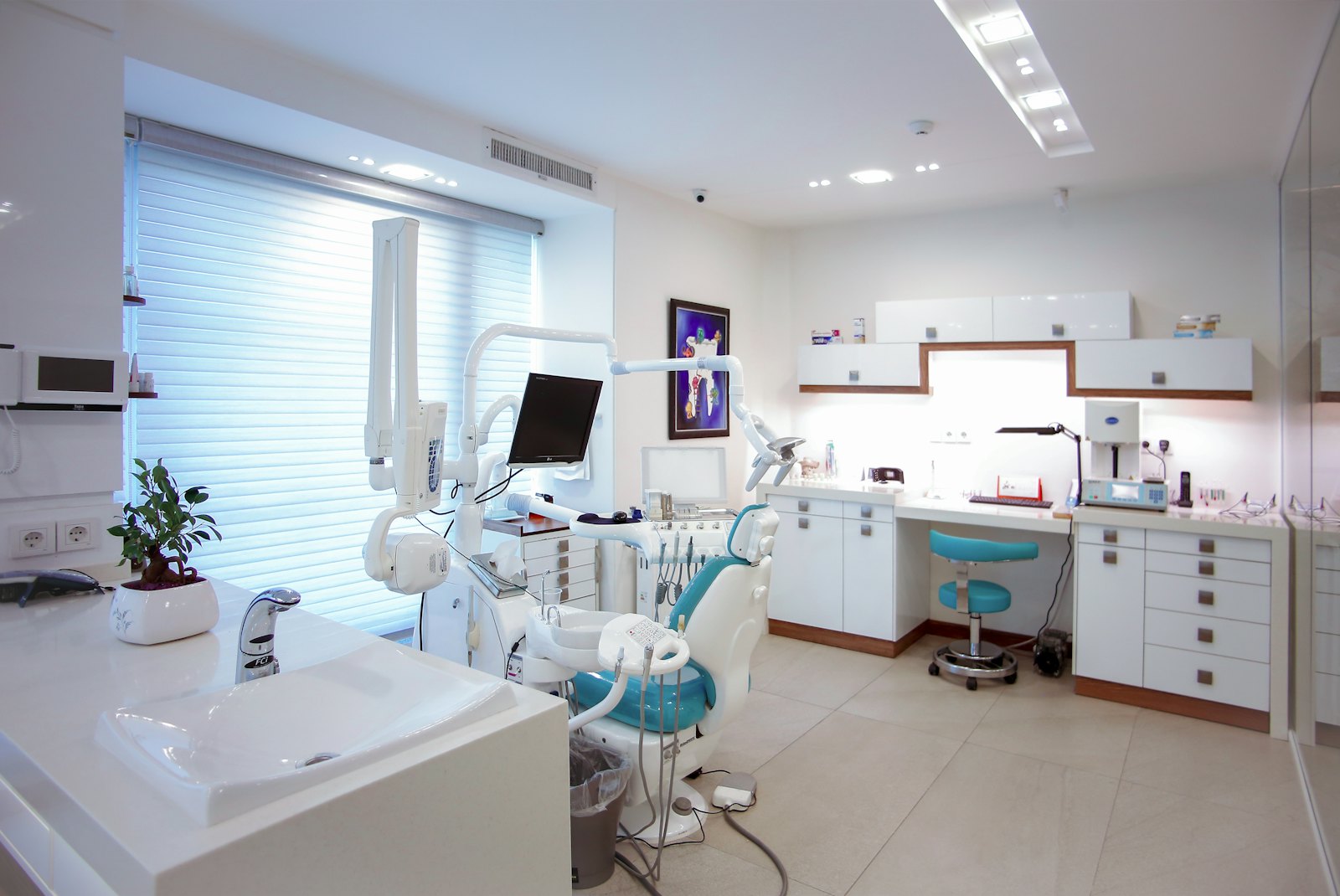
Selling to dental practices (software, supplies, marketing, staffing, finance) is a great niche: there are tens of thousands of them, they have real budgets, and their needs are predictable. The hard part is building a clean list of the right practices and reaching the person who actually decides. This guide shows you exactly how to find dental practice leads, end to end.
It's a worked example of the playbook in our pillar guide on how to find B2B leads, applied to one vertical.
Step 1: Define your dental ICP
Resist the urge to target "all dentists." The more specific your Ideal Customer Profile, the better everything downstream works. Dental is not one market: a solo cosmetic dentist, a three-location pediatric group, and a 60-location DSO buy completely differently. Decide on:
- Practice type: general dentistry, orthodontics, pediatric, periodontics, oral surgery, or cosmetic. Each has different equipment, software, and supply needs.
- Ownership model: independent / solo-owned, small group practice, or DSO-owned (Dental Service Organization). This is the single biggest split in the vertical and decides who you even talk to.
- Size: solo practice vs. multi-dentist group. Headcount is a great proxy; many vendors only make sense at 5+ employees.
- Location: the metros, states, or countries you can actually serve.
- Decision-maker: practice owner / principal dentist, practice manager, or office manager, depending on what you sell.
- Trigger (optional): a new location, recent hiring, or a new website often signals budget and openness.
Example ICP: independent general or cosmetic practices, 5–25 employees, in Texas, where the practice owner or office manager is the buyer.
If you haven't written this down yet, run it through our ideal customer profile template before you build a single search. A vague ICP produces a vague list.
DSO vs. independent: why it changes everything
This distinction matters more in dental than almost any other local vertical.
- Independent practices buy locally and fast. The owner-dentist is usually the economic buyer, often with the office manager as the gatekeeper and day-to-day champion. Deals are smaller but cycles are short, and one good email can reach the person who signs.
- DSO-owned practices look like one office but buy through a central organization. The office you found on the map can't choose your software or switch suppliers; procurement, regional managers, or corporate do. Selling a single location a DSO-mandated product is wasted effort.
Decide early which you're after. If you sell point solutions to owner-operators, filter toward small independents and away from large multi-location groups. If you sell enterprise-grade tooling, target the DSO's corporate entity instead of its branches.
Step 2: Know where dental lead data lives
Dental practice data is more public than people assume. It's scattered across:
- Practice websites: "Meet the team", contact, and location pages.
- Professional directories: dental associations, review and booking sites, local listings.
- Public business filings & licenses: practices register as businesses; dentists hold public licenses.
- Job boards: a practice hiring a hygienist or front-desk role is growing (and reachable).
Each source is partial on its own: a directory has the practice name but not the owner's verified email; a license registry confirms a dentist exists but not whether they're hiring. You could scrape and stitch all of this together by hand. The faster route is a B2B lead database that has already aggregated, deduplicated, and verified it, so you filter instead of scrape.
Step 3: Build the search in Leadriv
Here's the exact recipe inside Leadriv:
- Industry → Dental / Dentists. This scopes you to the vertical.
- Location → your target area (e.g. Texas, or specific metros).
- Headcount → 5+ to skip single-chair practices if your product needs scale.
- has-email / has-phone → on so every saved practice is actually reachable.
- Min lead score to keep only fuller, higher-confidence records.
- Platform / source filters to refine further if relevant.
Prefer plain English? Type "dental practices in Texas with 5+ employees" into AI chat search and Leadriv turns it into that filtered search automatically.
You'll get a list of matching practices with the relevant contacts. Reveal only the verified emails and phone numbers, save the keepers to a named list (e.g. Dental_TX), track outreach status so you never double-touch an office, and one-click export to CSV for your sequencer.
Step 4: What you sell → who to target
Pointing every email at "the dentist" is the most common mistake. The owner cares about clinical and financial outcomes; the office manager runs operations and supplies. Match your contact filter and message to what you actually sell:
| What you sell to dental | Who to target | Angle that lands |
|---|---|---|
| Practice management software | Owner / principal dentist | Chair utilization, new-patient flow |
| Supplies & consumables | Office / practice manager | Lower per-unit cost, easier reordering |
| Marketing / new patients | Owner, sometimes marketing lead | More booked new patients per month |
| Staffing / hiring | Office manager, owner | Fill hygienist/front-desk roles faster |
| Billing / insurance / finance | Owner, office manager | Fewer claim denials, faster collections |
| Equipment / fit-out | Owner / principal dentist | ROI on a new operatory or scanner |
At an independent practice, the owner often plays several of these roles at once, so a single well-aimed email can reach the real buyer. At larger groups, expect a champion (office manager) plus an approver (owner or regional manager).
Segment your list by what you sell
The biggest leverage in dental prospecting is splitting one practice list into different target-role lists depending on your product. The same 500 practices are four different audiences:
- If you sell software (practice management, scheduling, imaging), the principal dentist usually owns the clinical-and-financial decision, so build a list aimed at owner/principal titles and lead with chair utilization and new-patient flow.
- If you sell supplies or consumables, the office or practice manager controls reordering and per-unit cost, so target manager titles and lead with savings and easier reordering, not clinical outcomes.
- If you sell marketing, the owner cares most because it ties directly to revenue, but at larger groups a marketing lead may exist; pitch booked new patients per month.
- If you sell finance, billing, or insurance services, both the owner and office manager are in play; lead with fewer claim denials and faster collections.
Practically, this means you don't build one Dental_TX list and blast it. You build the same search, then split saved leads by the contact role your product needs, and write a different opener for each. Mixing supplies messaging into an owner's inbox (or clinical-ROI messaging into an office manager's) is the fastest way to get ignored in a vertical where everyone is already pitched.
Step 5: Qualify and score before you reach out
Not every match deserves a touch. Quickly check:
- Does the practice truly fit (type, size, location, and independent vs. DSO)?
- Is the contact the right role: owner/principal for clinical or financial pitches, office/practice manager for operations and supplies?
- Is there a reason now: new location, hiring, recent rebrand?
Leadriv scores each lead 0–100 by fit and contact completeness, so you can start with the strongest practices instead of working the list top to bottom. Set a minimum score and work downward.
Step 6: Write outreach that sounds like you know dentistry
Generic "I help businesses grow" emails die in dental inboxes. Speak their language:
- Lead with their world: chair utilization, new-patient flow, hygiene recall, no-show rates, insurance/billing headaches.
- Personalize the first line with something real: a new location, a service they just added, a role they're hiring.
- Be concise and specific about the one outcome you drive (more booked patients, lower supply costs, less front-desk admin).
- Offer an easy next step: a 10-minute call or a short benchmark for practices their size.
Example lines you can adapt:
- "Saw you just opened a second location in [city] — front-desk load usually doubles before the schedule catches up. We help practices your size cut no-shows by automating recall. Worth 10 minutes?"
- "Most independent practices in [state] are overpaying on consumables vs. group rates. We get owner-operators the same pricing without a buying group. Can I send a quick benchmark?"
- "Noticed you're hiring a hygienist. We fill dental front-desk and clinical roles in weeks, not months — happy to share how it works for a practice your size."
- "Hi [name] — saw [practice] just added implant services. Practices that expand into implants usually see scheduling and recall get messy fast as case volume climbs. We help offices your size keep the new chair full without adding front-desk hours. Worth a quick look?"
A short multi-touch sequence (email + a follow-up call to the practice) outperforms a single email every time. Most replies come after the first message. Leadriv builds and reveals the list; you run the actual sending and calling in your own tools.
Step 7: Stay compliant
Healthcare-adjacent outreach deserves extra care:
- Reach business contacts (the practice) on a lawful basis, not patients. You're selling B2B to a business; never touch patient data.
- Honor opt-outs immediately and keep records.
- Use a provider that sources from public business data and processes it transparently. Leadriv handles business-contact data under GDPR legitimate interest and honors opt-out requests within 24 hours.
Because dentistry sits next to healthcare, keep a clean line between business outreach to a practice and anything resembling patient information. The former is normal B2B prospecting; the latter is off-limits.
Step 8: Measure and expand
Track reply and meeting rates by segment (practice type, size, city, independent vs. DSO). Double down on what converts, prune what doesn't, then reuse the exact same search next month for a fresh batch. Once one vertical works, clone the playbook: the same steps find B2B leads in any industry you target next.
Frequently asked questions
How many dental practices can I realistically reach?
There are tens of thousands of practices across most countries, and Leadriv draws from a database of 2M+ verified business contacts. The constraint isn't supply, it's tightness: a focused list of well-fit practices in your serviceable area will always outperform a giant generic one.
Should I email the dentist or the office manager?
It depends on what you sell. Clinical, equipment, and financial decisions usually need the owner/principal dentist. Operations, scheduling, and supplies typically run through the office or practice manager. Use the table in Step 4 to aim your contact filter, and when in doubt at an independent practice, the owner often wears both hats.
How do I avoid wasting time on DSO-owned offices?
Filter on headcount and multi-location signals: very large groups are usually DSO-controlled and buy centrally. If you sell point solutions to owner-operators, bias your search toward smaller independent practices. If you sell enterprise tooling, target the DSO's corporate entity directly instead of its branches.
Should I build one dental list or split it by what I sell?
Build one search, then split the saved leads by target role. The same practices are a software audience (principal dentist), a supplies audience (office/practice manager), a marketing audience (owner), and a finance audience (owner and manager together). Each needs a different contact filter and a different opener, so segmenting before you write means every email speaks to the person who actually owns that decision, instead of landing clinical pitches on operations staff or vice versa.
Is dental outreach allowed under GDPR and similar rules?
Yes, when you reach the business on a lawful basis. Leadriv sources business-contact data under GDPR legitimate interest and honors opt-outs within 24 hours. Keep your outreach strictly B2B (the practice), never patients, and you're on solid ground.
Find your first dental leads today
Leadriv lets you filter to dental practices in your target area with 5+ employees, reveal verified emails and phone numbers, score and save them to a list, and export to CSV, from $29/month.